
Engineering leadership · Essay
AI agents make coordination the engineering bottleneck
The case for AI agents is that they let more work proceed at once: routine changes can be delegated while engineers focus on harder decisions. That is plausible. But when work arrives faster than a team can safely integrate it, adding agents can increase queues and contention instead of delivery. Manage the rate of change your system can absorb.
By Nythrex team3 min read
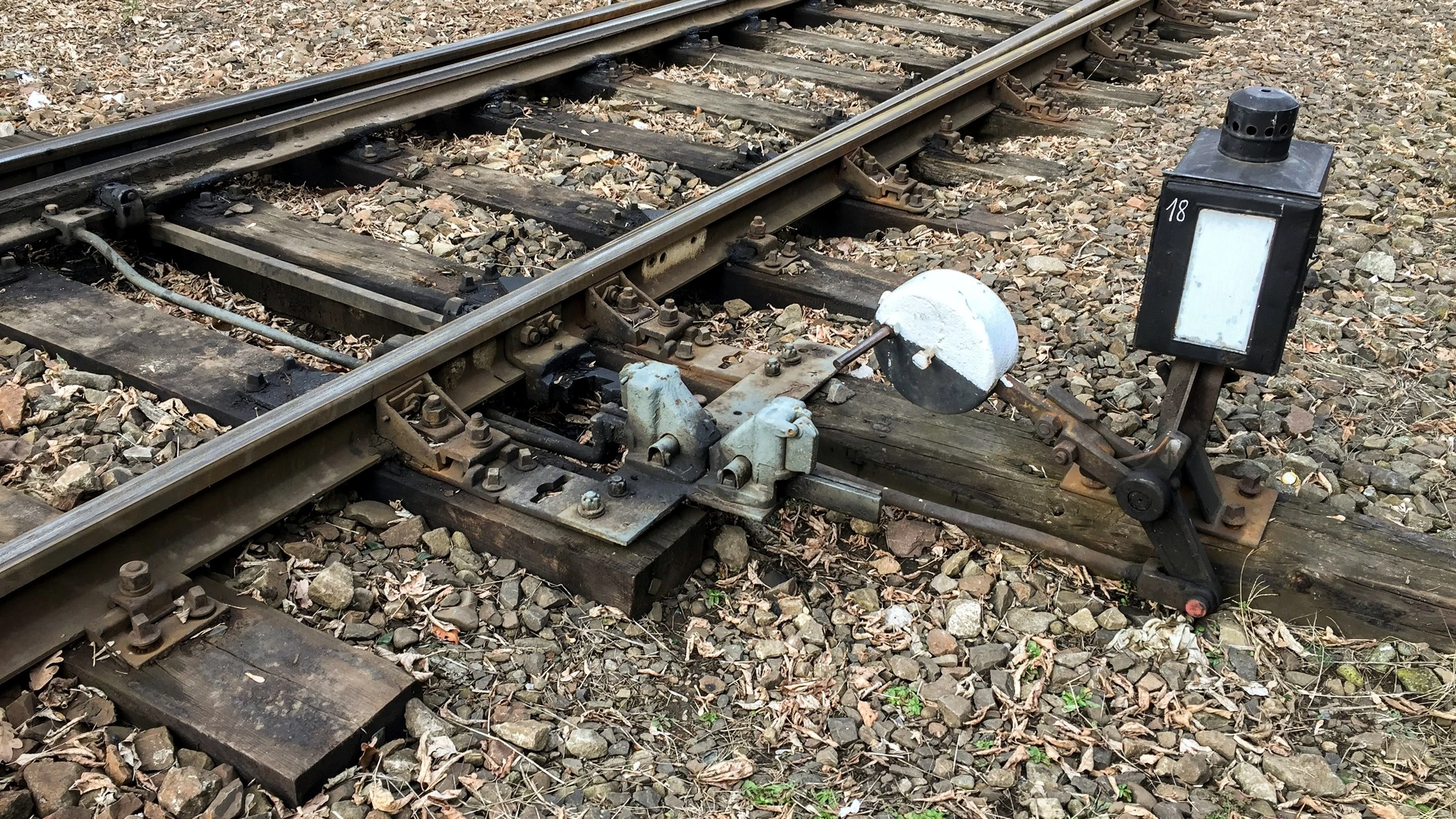
A team adds coding agents to clear a backlog. Soon, more branches appear, more tests start, and more pull requests await attention. Each agent may be productive in isolation. Yet the shared repository, CI system, merge queue, and reviewers still have finite capacity. The practical question is not only how quickly an agent produces a change. It is how many changes the team can integrate without creating delay or risk.
This is why “more agents means more output” is an incomplete management rule. GitHub’s October 2026 engineering account describes how concurrent agent and CI activity increases pressure on writes, merges, reads, and repository maintenance. The lesson for a team is not that every codebase has GitHub’s scale. It is that higher change volume exposes coordination constraints that low-volume workflows can hide.
The strongest case for adding agents
The optimistic view deserves its strongest form. If agents can handle well-scoped implementation and routine checks, engineers may spend more time on architecture, product choices, and review. Parallel work could shorten the time to explore alternatives or finish independent tasks. GitHub’s October 28, 2026 Octoverse report offers evidence that agent involvement is growing: it says more than 40% of pull requests on GitHub started with an agent by September, compared with 17% in March. Those are platform-wide observations, not proof that a particular organization’s delivery improved. Still, they make clear why leaders are planning for more agent-originated changes.
Why output can outrun integration
The gap appears at shared resources. In “Building Git infrastructure for agent-scale development,” published October 6 and updated October 26, 2026, GitHub says its September Git activity included 7.38 billion commits, and describes rising pressure from frequent pushes, merge contention, and CI fan-out. The company is rebuilding its own infrastructure; its numbers do not forecast what an ordinary team will experience. The operational pattern is useful nonetheless: when many workers act concurrently, the slowest shared step can set the pace for all of them.
Every push has to be stored durably and made visible consistently before the next agent or CI job can build on it.
For an engineering leader, a long review queue is only one possible symptom. A team may also see CI jobs waiting for scarce runners, repeated conflicts on a busy branch, flaky failures that require reruns, or release work pushed into a later window. These costs compound: engineers spend time reconciling changes, diagnosing failures, and re-establishing context. Counting generated lines, agent sessions, or opened pull requests misses that downstream work. Counting merges alone can miss quality problems if teams rush review to keep pace.
Manage the flow, then expand it
Treat agent adoption as a change to the flow of work. Establish a baseline, expand a bounded use case, and watch the whole path from task assignment to accepted change and production outcome. The point is to find the team’s actual constraint before adding more parallel work.
- Map the path. Record where agent-assisted changes wait: tests, review, merge, security checks, or release. Separate waiting time from active work where your tools allow it.
- Choose a bounded pilot. Select a class of work with clear acceptance criteria and low coupling to simultaneous changes. Keep the review and release standards the same.
- Track both flow and cost of failure. Compare completion time and queue time alongside rework, failed checks, rollbacks, and reviewer effort. Include the cost of running extra CI and agent sessions if it is material.
- Increase concurrency gradually. If queues or rework rise faster than accepted work, reduce parallel assignments or improve the constrained step before expanding.
An editorial recommendation for Nythrex
Nythrex should help engineering leaders reason about the relationship between change volume, integration capacity, and delivered outcomes. Any future coverage or product discussion on this subject should keep agent activity distinct from completed work and make the measurement boundaries explicit.
Sources
Frequently asked questions
Why can more AI coding agents slow an engineering team down?
Agents can increase concurrent changes and work in shared systems such as CI, review, and merge queues. If those shared steps become constrained, changes wait or require more reconciliation, so agent activity may rise faster than completed work.
What should engineering leaders measure when piloting coding agents?
Track the path from task assignment through accepted change and release, including waiting time, rework, failed checks, and reviewer effort. Compare these with completed outcomes and relevant compute or agent costs; activity counts alone do not establish improved delivery.
Read next
Stop guessing.
Start seeing.
No card and no subscription: paid plans have not launched yet.